
Modern retail banking is undergoing a profound transformation. Driven by digital disruption, changing customer expectations, regulatory pressure, and global competition, banks must constantly innovate while maintaining strong risk management frameworks to ensure long-term profitability. Striking the right balance between innovation, risk control, and financial performance has become the defining challenge of the 21st-century retail banking sector.
The Evolution of Modern Retail Banking
Retail banking traditionally focused on deposit accounts, personal loans, mortgages, and credit cards delivered through physical branches. However, the rise of financial technology (fintech), artificial intelligence, and mobile-first customers has reshaped the industry.
Major global institutions such as JPMorgan Chase, HSBC, and Banco Santander have invested billions into digital transformation initiatives. These include mobile banking apps, AI-driven customer service, blockchain-based settlements, and data analytics for personalized financial products.
Today’s retail banks are no longer just financial intermediaries—they are technology-driven service platforms.
Innovation in Retail Banking
Innovation is central to staying competitive. It enhances customer experience, reduces operational costs, and opens new revenue streams.
1. Digital Banking Platforms
Mobile and online banking platforms allow customers to manage accounts, transfer funds, apply for loans, and invest—all without visiting a branch. Digital onboarding, biometric authentication, and instant payments have become standard expectations.
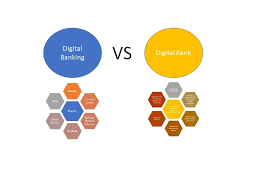
Digital-only banks (neobanks) challenge traditional institutions by offering seamless experiences and lower fees. In response, established banks have accelerated digital product development to retain market share.
2. Artificial Intelligence and Data Analytics
AI-powered systems analyze customer data to:
- Assess credit risk more accurately
- Detect fraud in real-time
- Personalize product recommendations
- Improve customer service through chatbots
Predictive analytics helps banks anticipate customer needs, increasing cross-selling opportunities and boosting profitability.
3. Open Banking and API Integration
Open banking frameworks allow secure data sharing between financial institutions and third-party providers. This fosters innovation by enabling new financial services such as budgeting apps, digital wallets, and embedded finance solutions.
Banks that successfully integrate APIs can expand their ecosystems and generate additional fee-based income streams.
Risk Management in Modern Retail Banking
Innovation without robust risk management can expose banks to significant financial and reputational damage. Retail banks face several key risks:
1. Credit Risk
Credit risk arises when borrowers fail to repay loans. Advanced credit scoring models, machine learning algorithms, and real-time financial behavior monitoring help mitigate default risks.
Strong underwriting standards and diversified loan portfolios remain essential to maintaining asset quality.
2. Operational Risk
As digital adoption grows, operational risk—including system failures, cyberattacks, and internal fraud—has increased. Banks must invest heavily in cybersecurity infrastructure, employee training, and compliance systems.
High-profile data breaches in the financial sector have demonstrated that even large institutions are vulnerable, making cybersecurity a top strategic priority.
3. Regulatory and Compliance Risk
Retail banks operate in highly regulated environments. Regulatory frameworks such as Basel III impose capital adequacy and liquidity requirements to ensure financial stability.
Non-compliance can result in heavy penalties and reputational harm. Therefore, regulatory technology (RegTech) solutions are increasingly used to automate compliance monitoring and reporting.
The Link Between Risk Management and Profitability
Effective risk management is not a barrier to profitability—it is a foundation for sustainable growth.
1. Capital Optimization
Maintaining adequate capital buffers protects banks from economic shocks while optimizing return on equity (ROE). Smart capital allocation ensures funds are directed toward high-yield, low-risk segments.
2. Cost Efficiency Through Technology
Automation reduces manual processes and lowers operational costs. Digital loan processing, AI-driven fraud detection, and robotic process automation (RPA) improve efficiency and margins.
Cost-to-income ratios improve when innovation aligns with operational excellence.
3. Customer Trust and Retention
Trust is central to banking. Customers are more likely to remain loyal to institutions that demonstrate financial stability and strong data protection practices. High retention rates directly impact long-term profitability.
Challenges Facing Modern Retail Banks
Despite opportunities, retail banks must navigate several challenges:
- Increasing competition from fintech startups
- Margin pressure due to low interest rates
- Rising cybersecurity threats
- Evolving regulatory requirements
- Changing customer behavior toward digital-first experiences
Institutions that fail to adapt risk losing relevance in an increasingly digital financial ecosystem.
Strategic Recommendations for Sustainable Growth
To achieve a balance between innovation, risk management, and profitability, retail banks should:
- Adopt a Digital-First Strategy – Invest in scalable, secure digital infrastructure.
- Embed Risk Management into Innovation Processes – Ensure new technologies are risk-assessed before deployment.
- Leverage Data for Smart Decision-Making – Use advanced analytics for credit, fraud, and customer insights.
- Strengthen Cybersecurity Frameworks – Protect customer data and maintain regulatory compliance.
- Focus on Customer-Centric Banking – Personalization drives engagement and revenue growth.
The Future of Retail Banking
The future of modern retail banking lies in intelligent automation, personalized financial services, embedded finance, and sustainable banking practices. Institutions that effectively integrate technological innovation with disciplined risk governance will outperform competitors.
Banks that view risk management as a strategic advantage—not merely a regulatory obligation—will achieve resilient profitability in volatile economic environments.
Conclusion
Innovation, risk management, and profitability are deeply interconnected in modern retail banking. Digital transformation enables growth, but without strong risk controls, innovation can lead to instability. The most successful retail banks will be those that harmonize cutting-edge technology with robust governance frameworks.
In an era defined by rapid change, adaptability, resilience, and customer-centric innovation will determine long-term success in retail banking.