
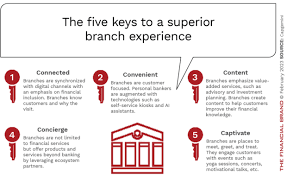
The future of retail banking is being reshaped by rapid digital transformation, evolving customer expectations, and emerging financial technologies. Traditional banking models are giving way to agile, data-driven, and customer-centric approaches. Institutions like JPMorgan Chase, HSBC, and Bank of America are investing billions in digital infrastructure to remain competitive in a landscape increasingly influenced by fintech innovators and digital-first banks.
In this article, we explore how digital transformation is redefining retail banking, the technologies driving change, and how customer experience has become the ultimate differentiator.
1. Digital Transformation in Retail Banking
Digital transformation in retail banking refers to the integration of advanced technologies into every aspect of banking operations. It goes beyond mobile apps and online portals — it involves rethinking the entire customer journey.
Key Drivers of Digital Transformation
- Increased smartphone and internet penetration
- Demand for 24/7 banking services
- Rise of fintech competition
- Regulatory changes encouraging open banking
- Customer preference for seamless digital experiences
Banks are adopting cloud computing, artificial intelligence (AI), machine learning, blockchain, and data analytics to modernize their systems and enhance service delivery.
2. The Rise of Digital-First and Fintech Banks
Digital-only banks and fintech companies have disrupted the traditional retail banking model. Companies like Revolut and Chime offer app-based banking services with lower fees, faster onboarding, and intuitive interfaces.
These digital challengers focus heavily on:
- Instant account opening
- Real-time transaction notifications
- AI-powered financial insights
- Low-cost international transfers
- User-friendly mobile experiences
As a result, traditional banks are accelerating their own digital initiatives to compete effectively.
3. Artificial Intelligence and Automation in Banking
Artificial intelligence is at the core of modern retail banking innovation. AI-powered chatbots, fraud detection systems, and predictive analytics are transforming how banks interact with customers.
Applications of AI in Retail Banking
- Personalized product recommendations
- Automated loan approvals
- Fraud detection and risk assessment
- Customer service chatbots
- Voice-enabled banking
For example, banks leverage AI to analyze spending patterns and offer customized financial advice, increasing customer engagement and loyalty.
4. Open Banking and API Integration
Open banking is revolutionizing financial services by allowing third-party developers to access banking data securely through APIs (Application Programming Interfaces). Regulations in regions like the European Union have accelerated adoption.
Open banking benefits include:
- Enhanced financial transparency
- Better comparison of financial products
- Integration with budgeting apps
- Faster payment processing
- Increased innovation through fintech partnerships
This shift empowers customers to control their financial data while encouraging collaboration between banks and fintech firms.
5. The Evolution of Customer Experience in Retail Banking
Customer experience (CX) is now the primary competitive advantage in retail banking. Digital consumers expect convenience, speed, personalization, and security.
Key Elements of Modern Banking CX
1. Omnichannel Banking
Customers expect seamless transitions between mobile apps, websites, call centers, and physical branches.
2. Personalization Through Data Analytics
Banks use big data to tailor financial products based on customer behavior and life events.
3. Faster Transactions and Approvals
Digital loan approvals and instant payments enhance satisfaction.
4. Secure and Frictionless Authentication
Biometric verification and multi-factor authentication improve security without compromising convenience.
6. The Role of Cloud Technology
Cloud computing enables banks to scale operations, reduce costs, and improve data security. It supports real-time analytics, enhances disaster recovery, and accelerates innovation cycles.
Cloud adoption allows financial institutions to:
- Launch new digital products quickly
- Reduce IT infrastructure costs
- Improve operational agility
- Enhance cybersecurity frameworks
This shift from legacy systems to cloud-native platforms is fundamental to future growth.
7. Cybersecurity and Data Protection
As retail banking becomes more digital, cybersecurity becomes more critical. Financial institutions are investing heavily in encryption, AI-based threat detection, and zero-trust security models.
Strong cybersecurity measures help:
- Prevent identity theft
- Protect sensitive financial data
- Build customer trust
- Ensure regulatory compliance
Trust remains the cornerstone of retail banking, making data protection a top priority.
8. The Future Outlook: Hyper-Personalized Banking
The next phase of retail banking will be hyper-personalized and predictive. By combining AI, machine learning, and behavioral analytics, banks will anticipate customer needs before they arise.
Future trends include:
- Embedded finance within e-commerce platforms
- Voice and conversational banking
- Real-time financial coaching
- Sustainable and ESG-focused banking products
- Digital identity verification
Banks that prioritize innovation while maintaining customer trust will dominate the future market.
Conclusion
The future of retail banking lies in digital transformation and superior customer experience. As fintech companies push boundaries, traditional banks must embrace technology-driven change to stay competitive.
From AI and open banking to cloud computing and cybersecurity, the retail banking sector is entering a new era defined by speed, personalization, and trust. Institutions that invest strategically in digital innovation and place customers at the center of their operations will lead the next generation of financial services.